
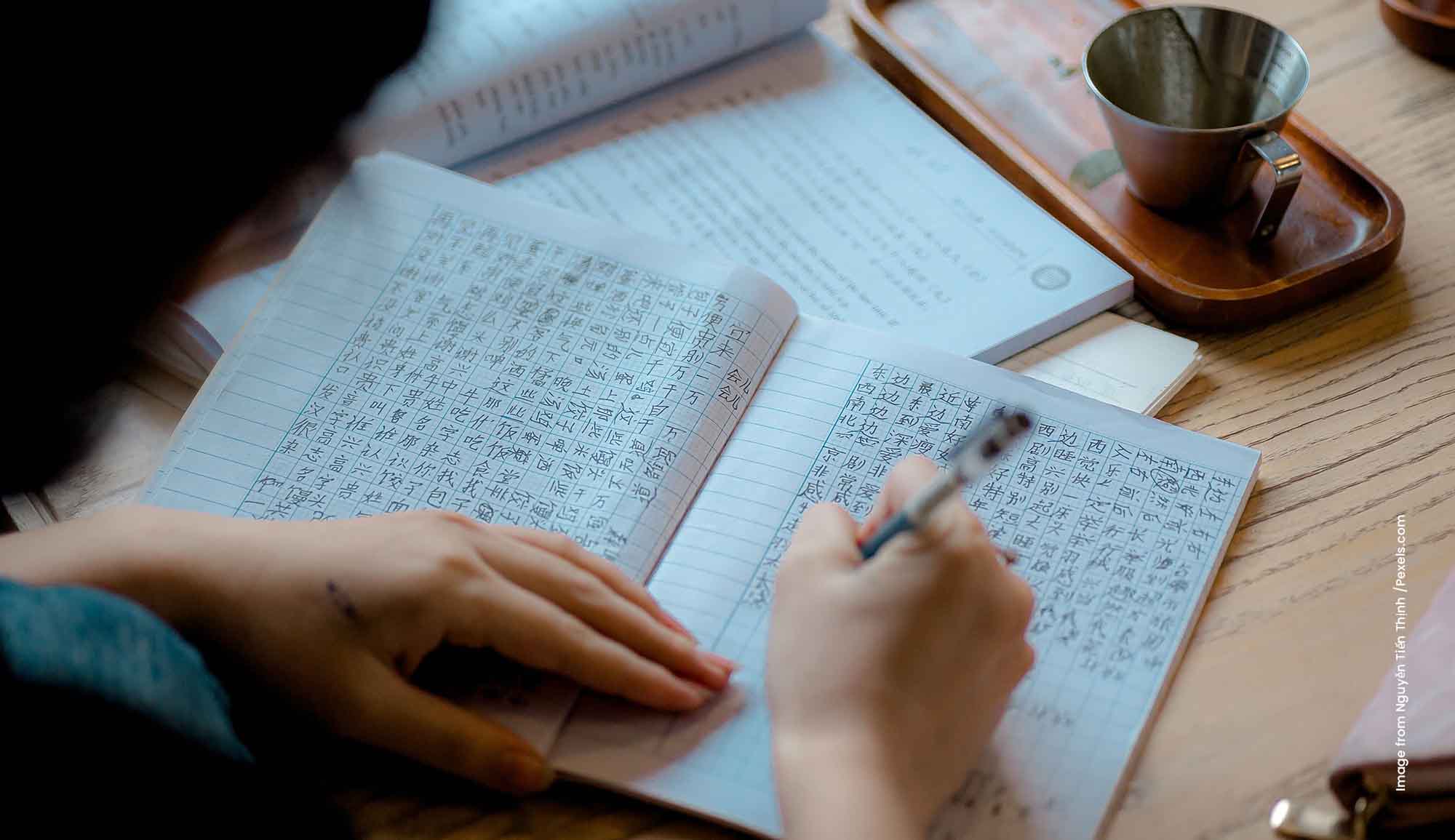
Higher Chinese composition trips up students who are otherwise comfortable with the language, usually for a small, fixable set of reasons. Here are the most common struggles and what actually helps.
Common Struggles
- Strong vocabulary but weak sentence structure, so writing feels disjointed
- Running out of ideas partway through, leading to repetition
- Translating English sentence patterns directly into Chinese
- Weak transitions between paragraphs, making essays feel like separate lists
Working Through Each One
Sentence structure improves fastest through guided rewriting exercises, not just more reading. Higher chinese books Singapore with model compositions help students see how ideas connect, and pairing this with regular Chinese supplementary books Singapore practice builds the vocabulary range needed to avoid repetition under exam conditions.
Practising Composition Under Time Pressure
- Practise writing within a set time limit at least once every two weeks
- Review one completed composition together rather than several rushed ones
- Use PSLE revision books Singapore habits as a foundation, then build up to Higher Chinese complexity
- Keep a small bank of strong transition phrases pulled from Best supplementary books for Singapore school students
Quick Answers
Is Higher Chinese composition harder than PSLE-level composition?
It generally is, both in expected vocabulary range and in how essays are structured. Students moving from PSLE-level work often need a deliberate step up rather than assuming the same approach will carry over.
How much should a student read in Chinese outside of schoolwork?
Even fifteen to twenty minutes a few times a week, using material slightly above comfort level, builds the vocabulary range composition depends on far more than occasional heavy sessions.
Related Reading
Strengthen composition with Secondary school Chinese supplementary books from SAP's Chinese and Higher Chinese titles.