
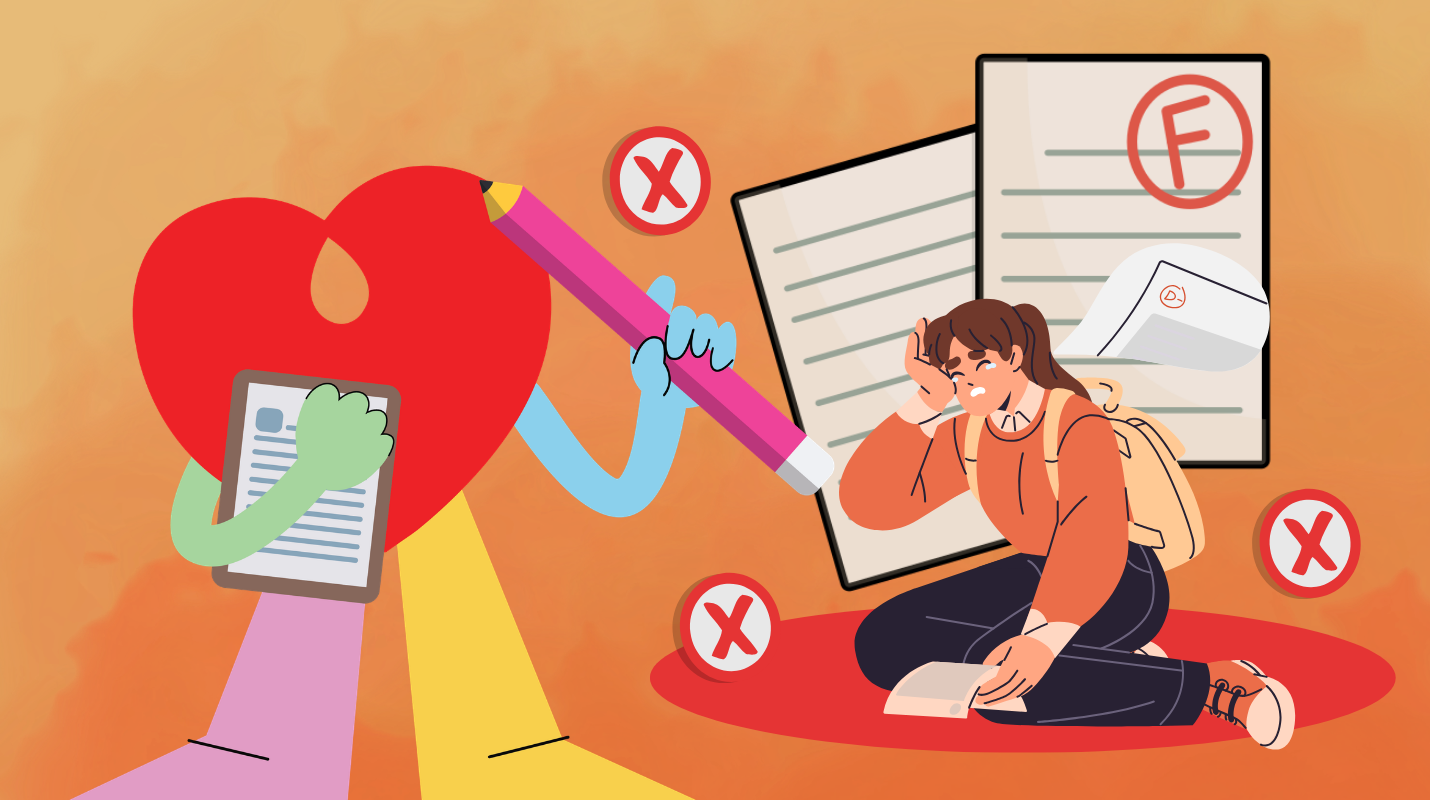
Many parents in Singapore worry about whether their child is keeping up in a competitive education landscape. It can often be difficult to tell the difference between a temporary struggle and a deeper issue. Furthermore, grades may not be a sure indicator that your child is falling behind — your child may be passing exams but struggling with understanding foundational concepts or inefficient learning habits. Recognising the early signs is key to providing timely support and helping your child regain confidence.
Here are 5 early warning signs that may signal that your child is struggling in school.
- Avoidance of school-related tasks and topics
Your child regularly makes excuses to not study, or refuses to discuss school-related topics with you. They might also frequently forget to submit homework, and be unaware of important information like exam dates. This deliberate aversion could be a sign of deeper academic struggles.
- Expressing negativity around school
Sudden moodiness and irritability in your child, especially around attending school, should raise concerns for parents. They could also have conflicts with their peers or start acting out in class. Such attitudes and behaviours could stem from your child being stressed or not coping well with their studies.
- Taking longer than usual to complete work
If a task that could be done in an hour suddenly requires a whole day, it could be indicative that your child is struggling with schoolwork. This could be because they are currently feeling overwhelmed and intimidated by the task and its requirements.
- Loss of confidence and motivation
When you start hearing sentences like “I can’t do this” or “I will never understand” coming from your child, it’s time to pay attention. When it comes to school, they may avoid challenges and be quick to give up, not because they don’t care, but because they doubt themselves.
- Feedback from teachers
Your child’s teachers are valuable sources of information for how your child is actually coping in school. They are able to directly observe your child’s behaviour during class and in a school setting, which you as a parent cannot do. They would also be able to advise you on your child’s progress especially compared to their peers, and how you can help.
What can you do?
It is best to catch these signs early, so that you have ample time to help before gaps widen and grades become noticeably impacted.
Open communication with school
Maintain a positive relationship with your child’s teachers, such that you can communicate with them comfortably if your child is facing certain issues related to school. Feedback on classroom behaviour and participation help you gain a more comprehensive idea on how your child is doing academically.
Create a supportive environment at home
If your child is indeed feeling overwhelmed with school, the last thing they need is judgement and disapproval. It is important to support your child emotionally so that they can freely communicate their worries and issues knowing that you would be there for them.
Get the right learning support
The educational resources provided by the school may need to be supplemented with additional resources provided at home that are compatible with your child’s learning preferences. For instance, if your child is struggling with English learning but you know they learn better with visual aids, consider subscribing to an English educational magazine that incorporates syllabus-aligned practices with compelling graphics, instead of traditional text-heavy assessment books.
Conclusion
Every child learns at their own pace, and occasional struggles are a normal part of growing up. By staying attentive, supportive and proactive, you can help your child overcome challenges and build the confidence they need to excel in their academic journey.