
Vocabulary building at home that only involves memorising spelling lists teaches children one thing: how to pass a spelling test for a single week. A home routine planned around genuine language acquisition teaches children how to understand and use new words permanently.
The difference lies in how words are integrated into daily life and not just how many flashcards they review. If you are wondering how to build my child's vocabulary at home, here is a complete routine template that works for primary school students of any level without making your living room feel like a stressful classroom.
Before the Routine: Choosing and Preparing the Words
Not every word makes an equally useful addition to your child’s active vocabulary. A word worth focusing your home efforts on has these qualities:
- High frequency across multiple subjects
Look for Tier 2 words, which are sophisticated words that appear in science, humanities, and English (e.g., evaluate, diminish, frantic). If every word you choose is highly specific jargon (like photosynthesis), the routine cannot develop broad, foundational English enrichment at home.
- Easily demonstrable in daily life
Choose words that you can easily act out or point to during your normal routines. Five to eight words per week that students can physically experience are better than twenty abstract concepts. This makes vocabulary instruction feel purposeful rather than arbitrary.
- Connected to their personal interests
Students engage more actively with vocabulary on topics they find meaningful. Tying new adjectives to their favourite sports, books, or hobbies produces more genuine comprehension effort than forcing them to learn words from a disconnected list.
Pre-selected word banks
The articles in i magazine (10+) are written and edited to exactly the quality standard that makes them useful for contextual learning. Every issue gives you new, lesson-ready texts with curated word banks at the back, removing the need for you to hunt for the right words. Your child can discover a word naturally in the magazine and then solidify their understanding by using it in daily conversation, bridging the gap between casual reading and active vocabulary use.
The Home Routine: Four Simple Stages
Stage 1: The Vocabulary Spotlight (5 minutes). Before dinner, introduce one new word for the evening. State the word, provide a simple definition, and use it in a sentence related to your day ("I was frantic trying to find my keys"). This stage serves two purposes: it introduces the phonetics of the word and provides immediate, relatable context.
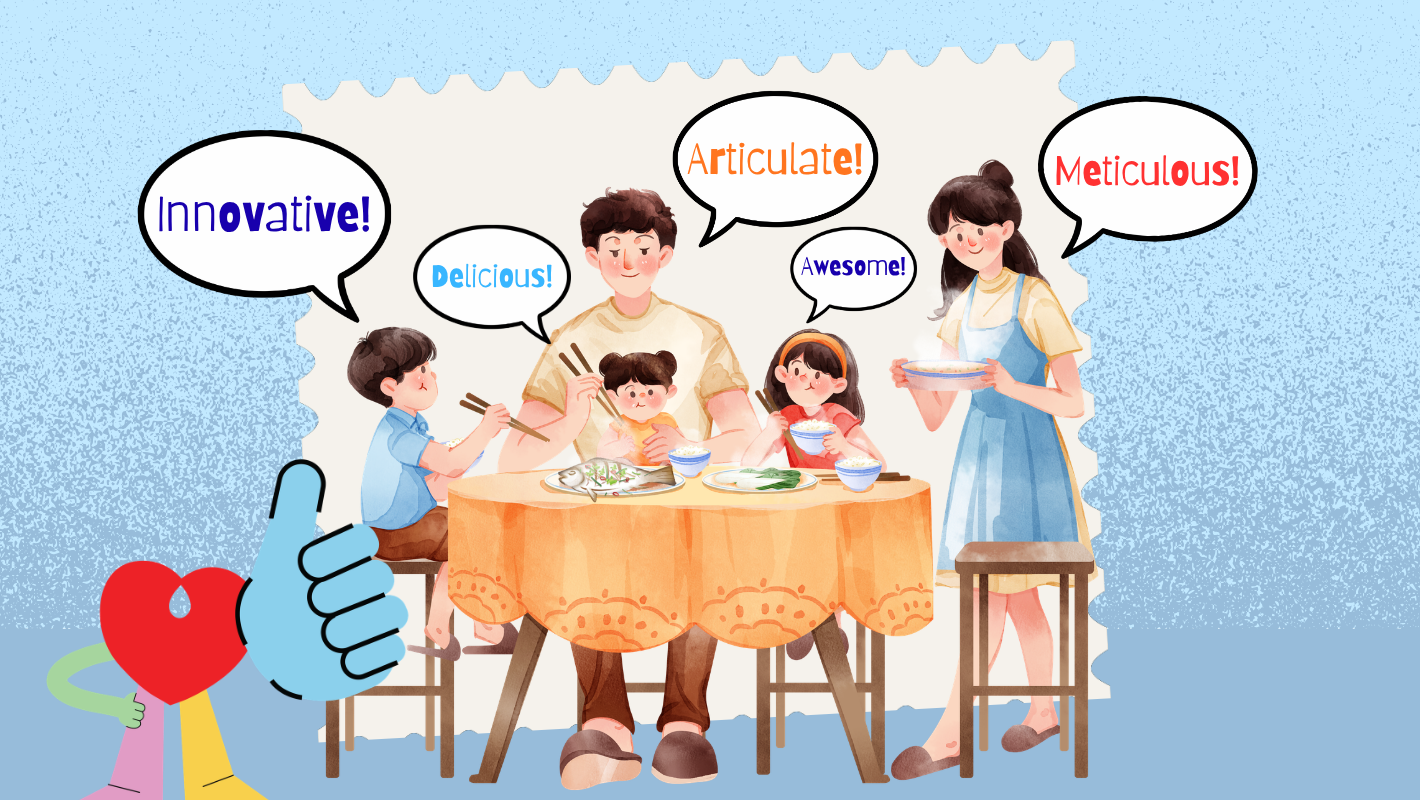
Stage 2: The Application Challenge (During dinner). Challenge each family member at the table to use the spotlight word in a natural sentence before the meal ends. The task is simple enough not to interrupt family bonding but demanding enough to prevent passive listening. This is one of the most effective vocabulary exercises for kids because it relies on active recall.
Stage 3: Stealth Integration (Throughout the week). Structure your conversations deliberately. Instead of saying, "Put your shoes away," say, "Please organise your footwear." Using these words organically forces your child to rely on context clues to understand your instructions, mimicking the exact skills they need for school comprehension passages.
Stage 4: Environmental Exposure (Ongoing). The most valuable part of any home language strategy is the print environment. Leave age-appropriate reading materials on the coffee table and in the car. These passive literacy activities at home ensure your child is constantly encountering rich language even when you are not actively teaching them.
Auto-marked practice for Stage 4
Assign quick vocabulary quizzes as a weekend activity on Edutique. Students read short passages and answer vocabulary questions independently, receiving auto-marking and suggested answers immediately. This digital approach feels like a game rather than homework, doubling the value of their screen time without requiring additional marking from parents.
Car-Ride Activities That Deepen Vocabulary
- The Synonym Upgrade task
While driving, give your child a basic word (e.g., happy) and give them one minute to list as many upgraded synonyms as possible (elated, joyful, ecstatic). This requires genuine mental effort and trains their brain to search for more descriptive alternatives when writing compositions.
- The Taboo description task
Think of a common object and ask your child to describe it to you without using the three most common words associated with it. This task requires understanding the object's features well enough to explain it using alternative vocabulary, which is the highest form of expressive language practice.
- The Audio Storytelling task
Play a short, descriptive audio clip or podcast and ask your child to identify the single most interesting word they heard. Discuss what that word means and why the speaker chose it over a simpler alternative.
About ilovereading.sg
ilovereading.sg publishes Singapore's leading English enrichment resources for ages 8–18, including iKnowledge, i magazine, Inspire, iThink, iCritic. Written by MOE-trained educators, our magazines are used in over 60% of Singapore schools and have sold over 1,000,000 copies. Each issue includes exam-aligned articles, model compositions, word banks, worksheets, and oral audio clips.
Winner & Finalist — Best Educational Title, Singapore Book Awards 2024
Browse at ilovereading.sg | Online learning platform: edutique.com